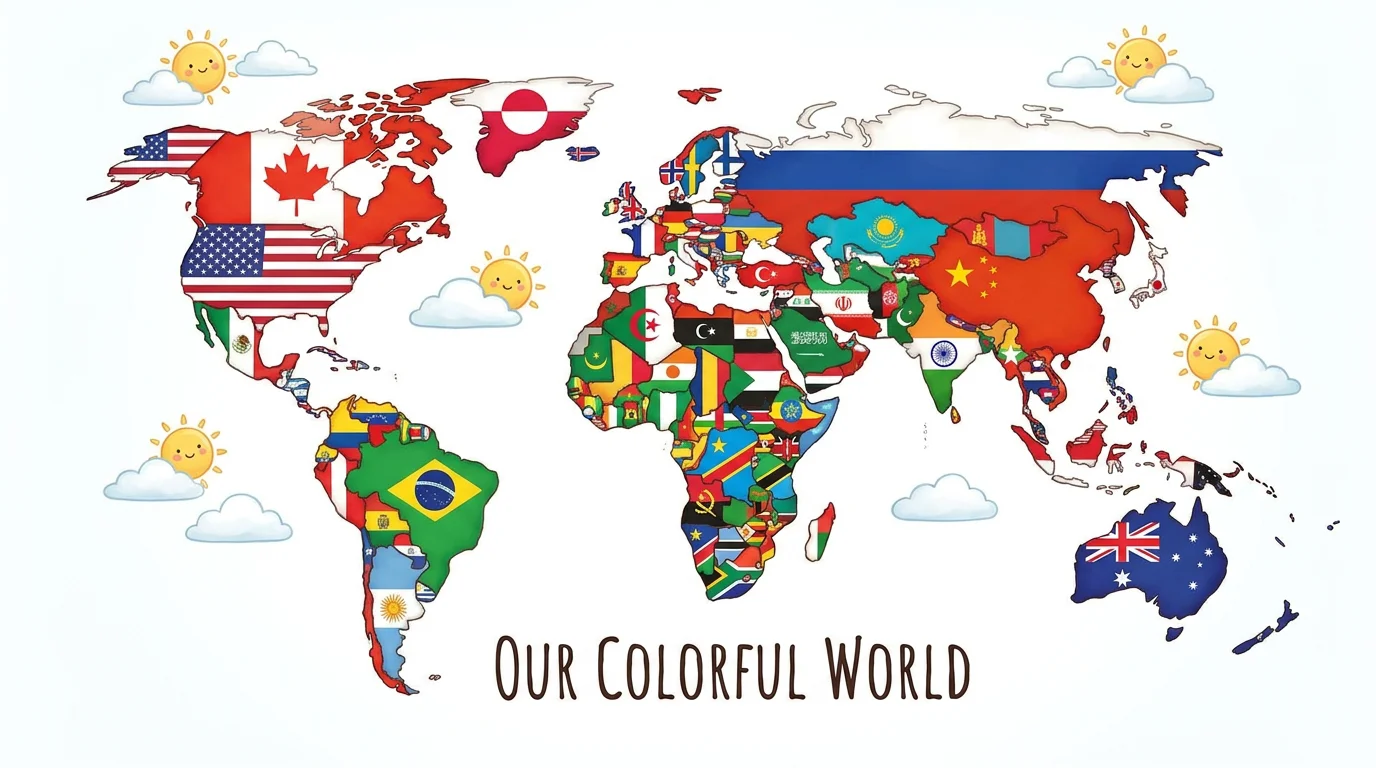

A flag is a small picture with plenty to notice, from its colors and layout to symbols that may resemble those of other countries. So, is a free flag game worth playing regularly? It can be, if each round asks you to recall an answer, notice what you missed, and return with curiosity. You can start by considering whether daily geography games are educational, then ask a simpler question: does playing help you recognize something you couldn’t name before?
Regular play is most useful when it fits easily into your day and gives you more than a streak to chase. A quick round can prompt you to identify a flag, connect it to a country, and spot which designs still confuse you. What it can’t do on its own is guarantee that you’ll remember every flag later. A useful routine makes room for mistakes, feedback, and another look at what you found difficult.
When is a free flag game worth returning to?
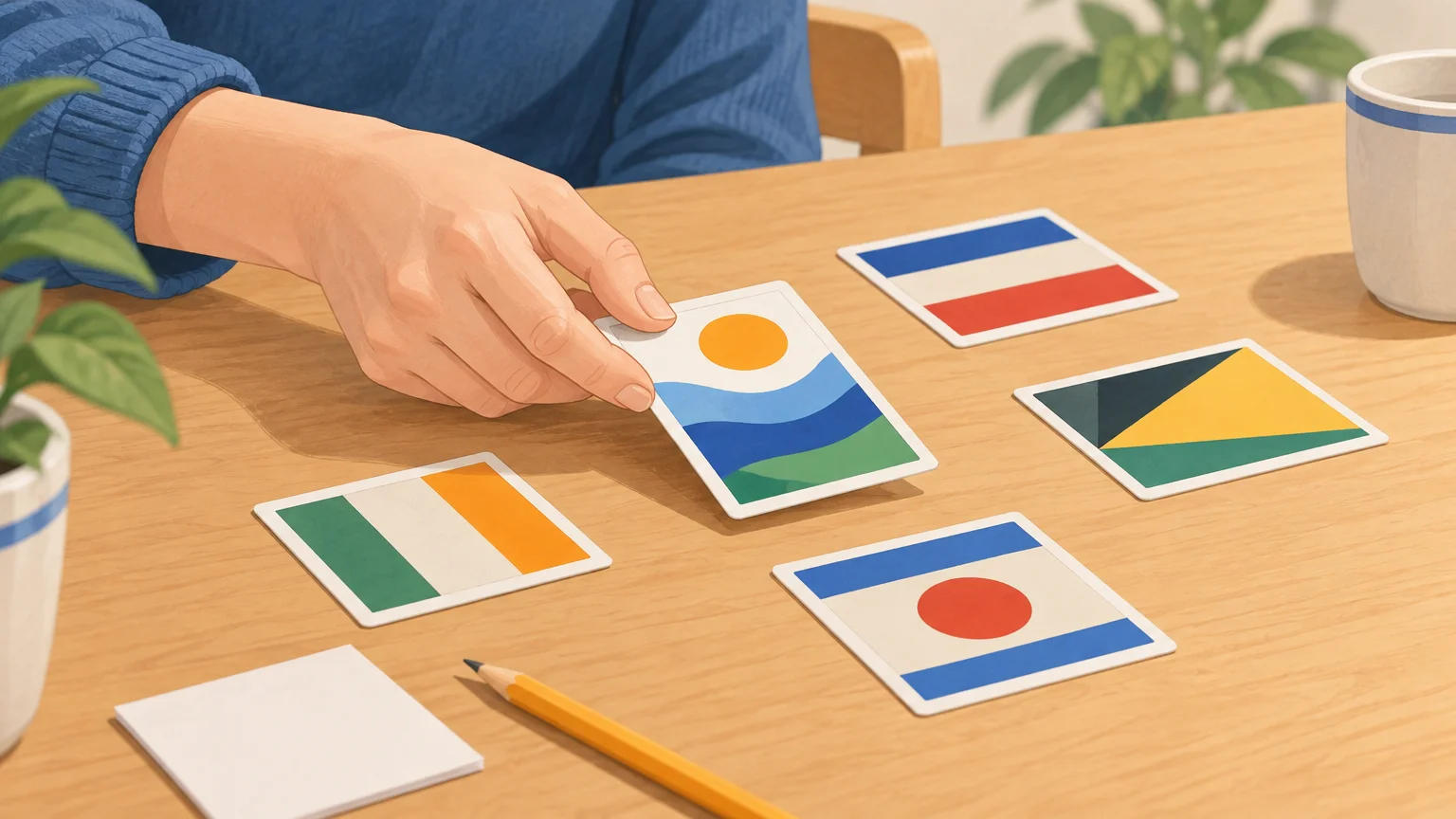
A free flag game earns a place in your routine when it offers a reason to think, not just tap. A useful round asks you to identify a country from its flag, then gives you enough feedback to see whether your guess was right.
That small loop can make play feel worthwhile: recall a country, check your answer, and notice which flag you want to recognize next time. If a game only rewards speed or a long streak, it may be entertaining without giving you much reason to revisit what you missed.
Regular practice can also help you notice patterns across flags, such as shared colors or common layouts. Those clues are a starting point, though. A flag alone doesn’t tell you where a country is, what its capital is, or why its symbols were chosen.
What does flag practice teach, and what does it leave out?
Imagine seeing a flag you recognize but can’t name. Guessing the country gives you a chance to practise the connection between a design and its name. A good learning habit goes one step further: after you see the answer, pause to notice what clue you overlooked.
Flag practice focuses on visual recognition and country names. It won’t automatically teach you map locations, capitals, or country facts. Those connections take different kinds of questions and clues, which is why varied geography practice can be more useful than repeating only one style of puzzle.
Our Flags mode reveals a hidden flag progressively. For a broader daily challenge, our Daily Challenge links nine country-focused mini-games, while other modes cover capitals, country hints, silhouettes, and themed quizzes. You can read how daily games make geography stick for another look at building learning into a regular routine.
Still, it’s wise to treat a game as practice, not proof of lasting learning. A 2018 review from the Australian Council on Children and the Media examined one flag quiz app and noted advertising and in-app purchases. ACCM’s 2018 review is a reminder to check each game’s terms rather than assume every free-to-download game works the same way.
How can you make a short routine more useful?
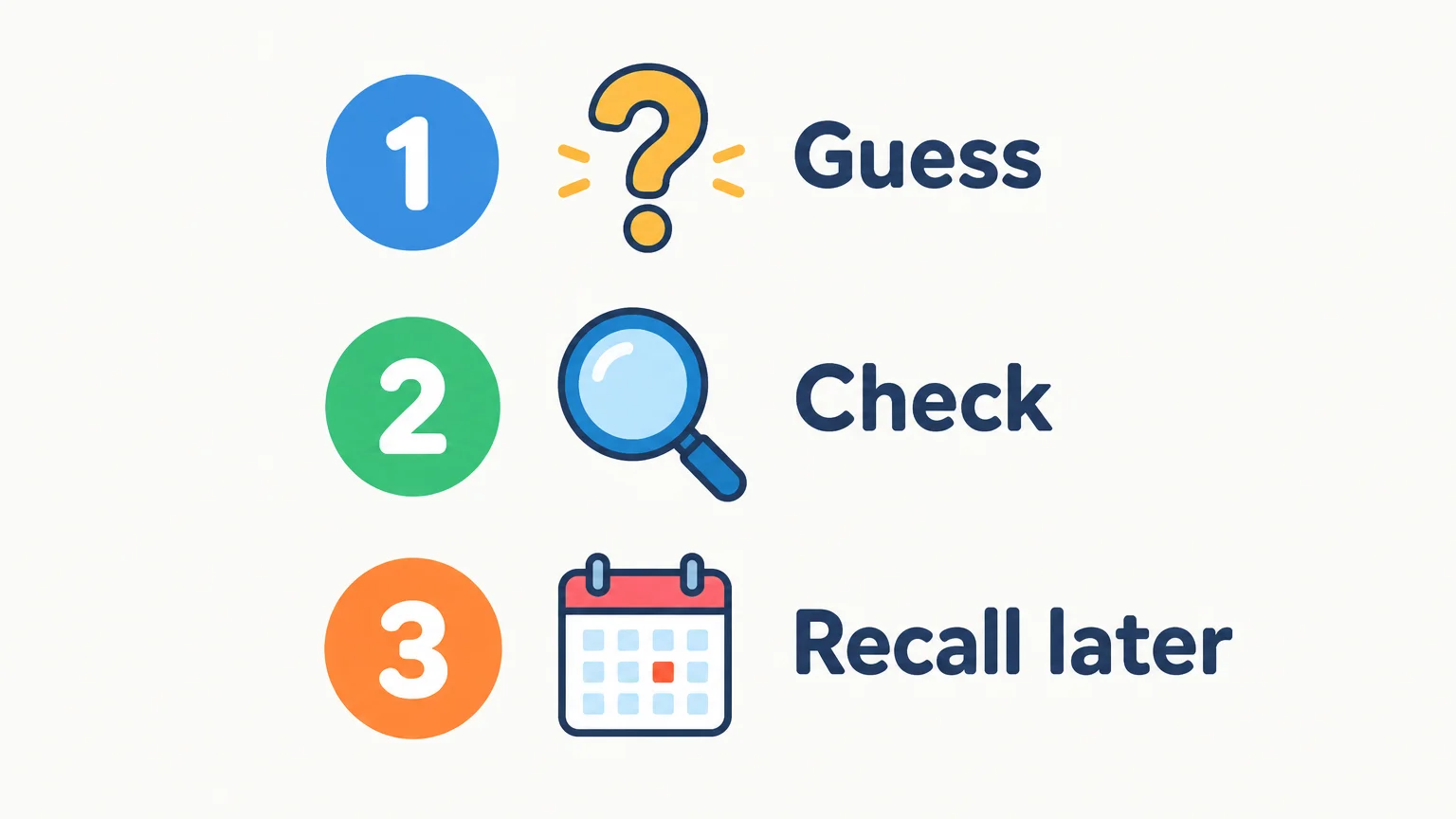
Try a simple cycle: make a guess before looking for help, check what you got wrong, then return to a tricky flag another day. It gives your session a purpose without turning a light puzzle into homework.
- Guess first. Name the country before searching for hints or checking a map.
- Notice the clue. After the answer appears, ask what detail helped or misled you.
- Revisit a miss. Make a note of a flag you didn’t recognize and test yourself later.
A daily game can make it easier to return, but you don’t need to play every day. If you miss a session, simply start again when it suits you. For more context on why flag games keep players coming back, consider whether the routine supports your curiosity or just makes you worry about a streak.
When should you choose broader geography practice?
If your goal is to locate countries on a map, choose practice that asks you to find places, not only name flags. Map quizzes focus on location, while wider quiz collections can include topics such as history, sport, or literature. These formats complement flag recognition rather than replacing it.
Our browser game brings several kinds of country practice together: Flags, Capitals, Hints, Worldle, the Daily Challenge, and themed quizzes. The modes cover different clues and questions, so you can move beyond a flag when you want to practise capitals, silhouettes, or other geography and general-knowledge topics. For a broader overview, see a guide to playing and learning with flag games.
Evidence about one kind of learning game doesn’t automatically apply to another. A 2025 conference paper described a study involving 80 students and a board game for security education. That study didn’t examine flag quizzes or online geography games, so it can’t establish whether regular flag play builds lasting geography knowledge. The 2025 proceedings illustrate why it’s sensible to keep claims about learning specific to the game and subject being studied.
What should you check before making it a habit?
“Free” can describe different things. Before returning regularly, check whether play requires an account, whether the game includes intrusive advertising, and whether extra features come with a cost. Also check how it works on your device and whether it’s a browser game or a native app.
Our game is free to play in your browser without an account, subscription, or paid plan, and has no intrusive advertising. It covers 195 UN-recognised countries and is available in English and French. You can add the responsive web app to your device’s home screen, but it isn’t a native app-store download.
Your statistics are stored locally in your browser. That means they may disappear if you clear browser data, switch browsers, or use private browsing. Knowing this can help you decide whether you want to keep a separate record of flags to revisit.
Make regular practice work for you
A free flag game is worth playing regularly when it stays enjoyable and gives you a reason to recall, check, and revisit what you don’t know. Keep sessions short, treat missed answers as clues for later, and choose broader geography practice when you want to work on maps or country facts. A steady routine should support your curiosity, not become another obligation.
Build a Short Geography Routine
If you want a convenient way to fit geography practice into your day, a browser-based game can make it easy to start without downloading a native app. You can play on your own, revisit flags, or try different country-focused challenges as your interests change.

Our free browser game includes Flags, Capitals, Hints, Worldle, a nine-part Daily Challenge, and themed quizzes. No account or subscription is required, and the game has no intrusive advertising. Explore our browser-based geography games and choose a mode that fits the kind of practice you want.
Frequently Asked Questions
Can a free flag game help you learn country flags?
It can give you repeated chances to recognize flags and connect them with country names. To make practice more useful, check mistakes and revisit unfamiliar flags later.
How often should you play a flag game?
There’s no required schedule. A short daily session may suit you, but playing when you have time and interest is better than worrying about a streak.
Do you need to download an app to play Flagdle?
No, our game runs in a browser and can be added to your device’s home screen. It isn’t a native app-store download.
Does Flagdle include geography practice beyond flags?
Yes, our modes include Capitals, Hints, Worldle, the Daily Challenge, and themed quizzes as well as Flags. The Daily Challenge follows one country through nine linked mini-games.
Will your game statistics follow you to another browser?
No, statistics are stored locally in the browser you use. Clearing browser data, changing browsers, or using private browsing can remove or reset them.