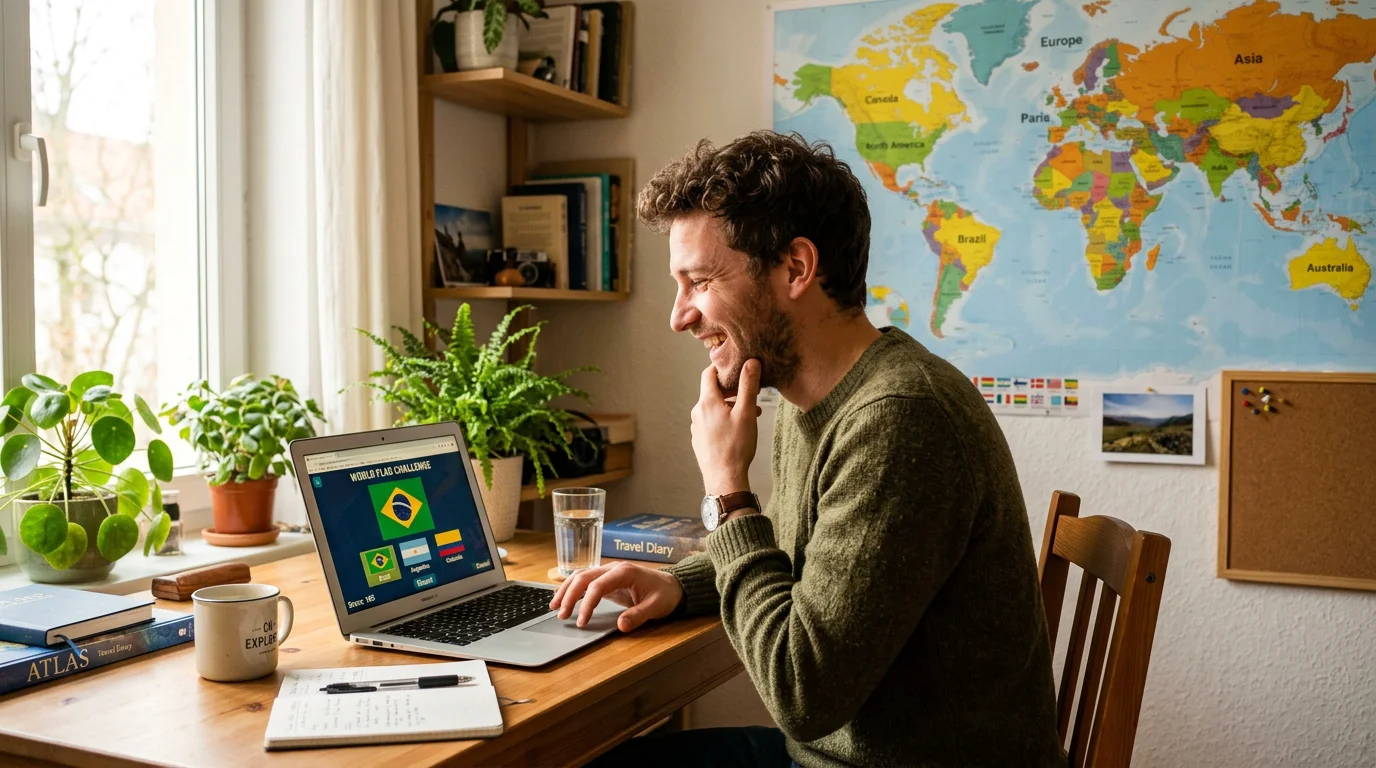

Do you want students moving, naming countries, or doing both? The right flag games for the classroom depend on what you want them to practise and what your room allows. For a screen based geography warm up, try our flag learning game, where students identify a country as more of its flag is revealed.
The phrase can also mean physical education games that use flags as tags. Those activities are different from quizzes about national flags, so it helps to choose your format first. Then adapt the rules for your students, available time, group size, and equipment.
Which kind of flag game fits your lesson?
Picture two classrooms: one has open space and flag belts, while the other has desks and a projector. The first can support a movement game; the second is better suited to matching, guessing, or discussing country flags.
Physical flag games use flags or belts as part of a movement challenge. Students might try to protect their own flags, tag another player by taking a flag, or work together to reach a shared goal. These games suit a gym, playground, or another clearly bounded space.
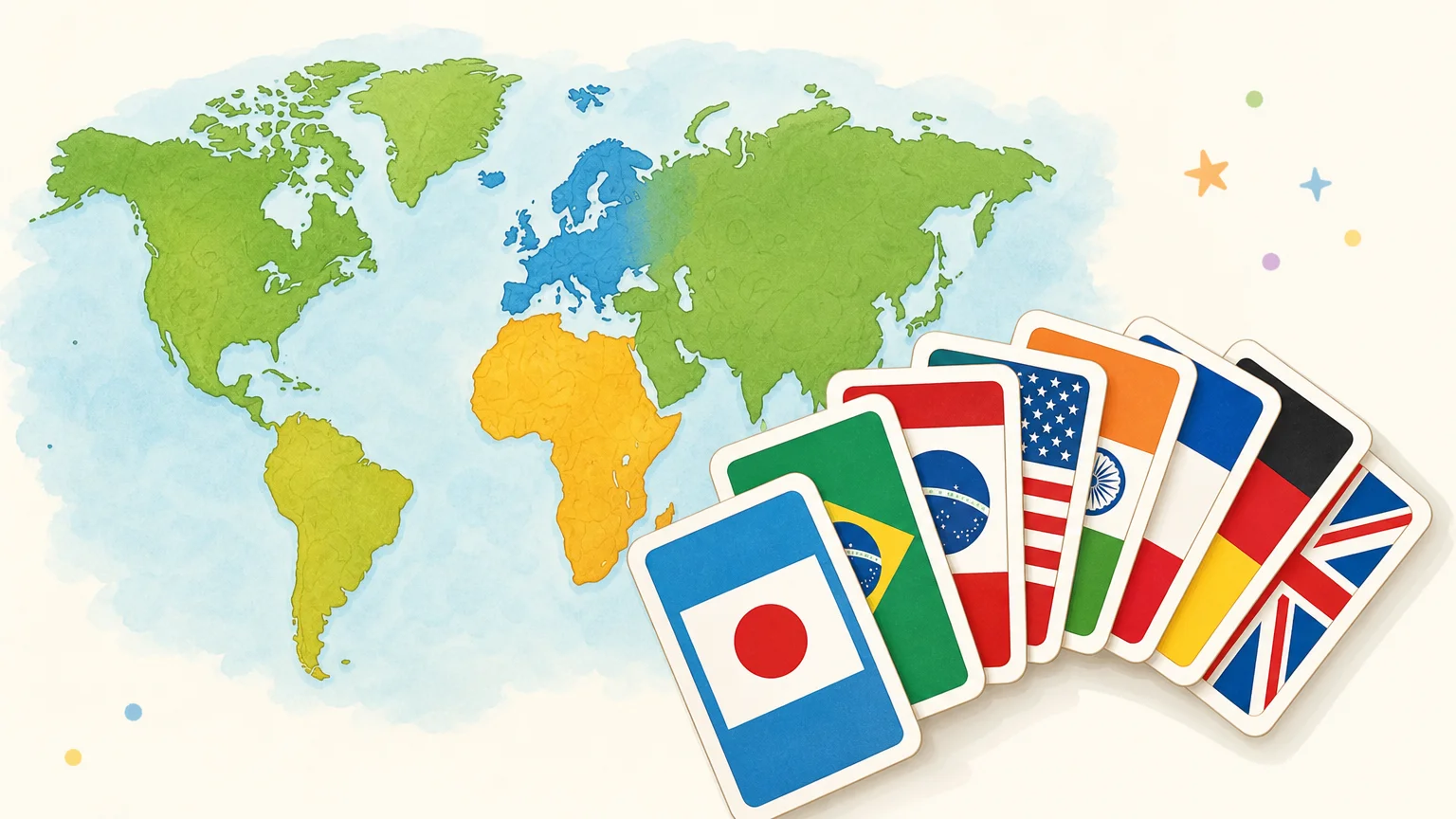
Country flag recognition games ask students to connect a flag to a country, region, or map location. They can work on a projector, printed cards, or individual devices. A useful follow up is to ask how students made a guess, such as by noticing colors, symbols, or a neighboring country.
If you want a mix, keep the activities distinct: use movement to energize the class, then use a short map or flag question to bring attention back to geography. For more lesson formats, browse our classroom geography activities.
What physical flag games can you play?
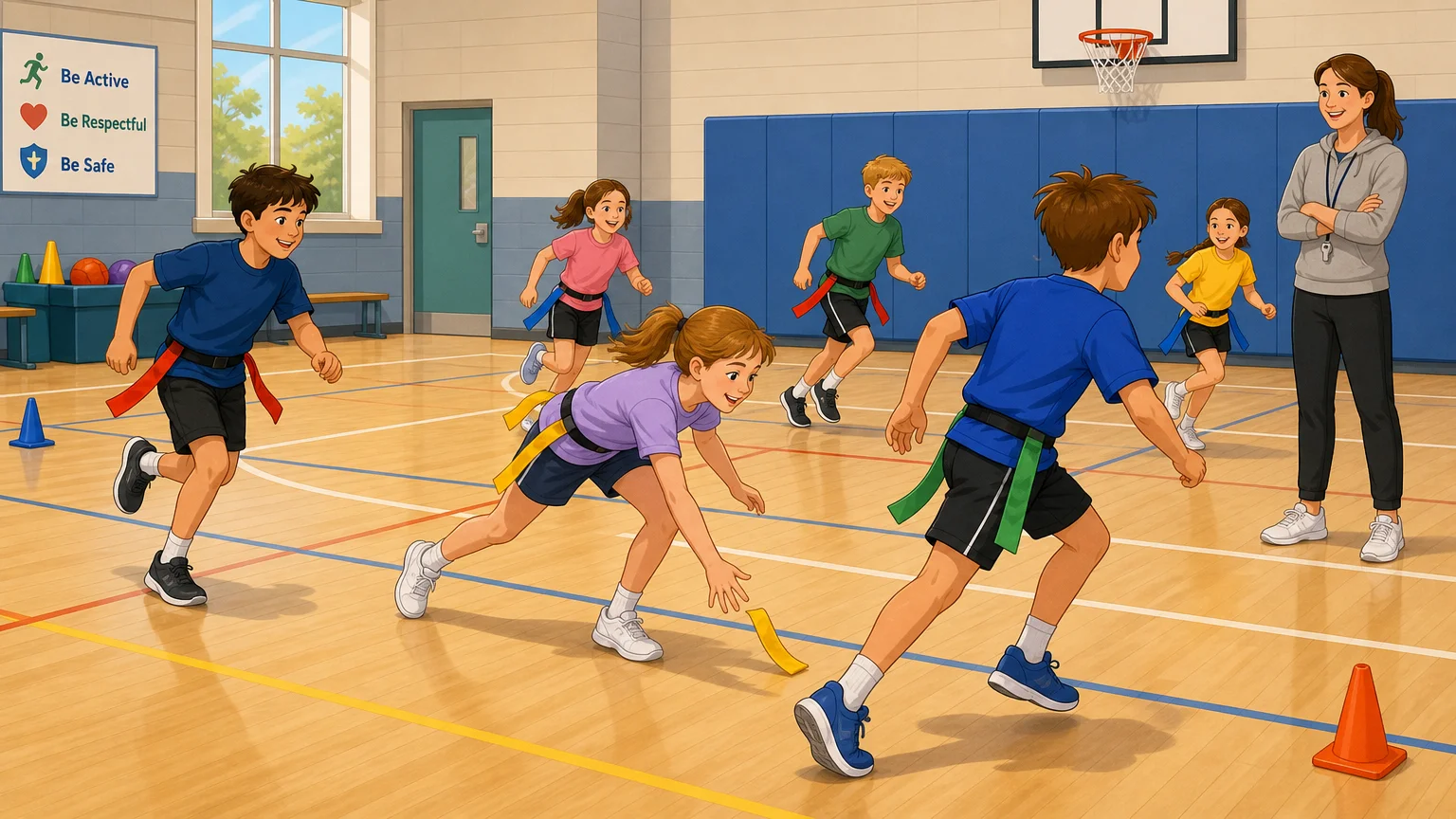
In an open space, start with a simple boundary and one clear signal to stop. The U.S. Centers for Disease Control and Prevention describes PE as a planned K to 12 subject that develops movement skills and knowledge, as its 2024 PE overview explains. Use your school’s safety guidance and adapt movement to your students and setting.
Fish and Tadpoles is a chase game for younger groups. Choose a few students to be the fish and the others to be tadpoles wearing flags. Fish collect flags during a timed round; students who lose their flags can complete a simple movement before returning to play. Set the pace and boundaries to suit the group, and make sure everyone knows how to stop and rejoin.
Survivor is a more competitive option for older students. Divide the class into teams or smaller groups, and set a clear area where players try to take opponents’ flags while protecting their own. Keep rounds short, explain what happens when a flag is taken, and avoid rules that encourage pushing, blocking, or contact.
For either game, make participation flexible. Students can take a walking role, keep score, or help manage the equipment if running is unsuitable. A short debrief can connect the game to teamwork, tactics, or fair play.
Which digital games help students learn country flags?
When the goal is to remember flags and country names, use a quick activity with a visible answer and room for students to explain their thinking. You can project a flag and let the class vote, run a matching round with printed cards, or ask pairs to connect flag cards with country names.
For a simple progression, begin with familiar flags and add more challenging examples as students gain confidence. Invite students to name a clue before revealing the answer. This gives the class a reason to compare colors, shapes, and symbols instead of relying only on speed.
For browser based practice, our Flags mode progressively reveals a country flag as students guess. The game runs in a browser without an account, and our coverage includes 195 UN recognised countries in English and French. For a wider lesson around country knowledge, see our educational geography games.
A U.S. classroom can also draw on the Census Bureau’s free, teacher designed and customizable geography materials in its classroom resource collection. Pair a flag question with a map or a country research prompt, then check that the material fits your curriculum and students’ needs.
How do you set up a quick classroom flag game?
Imagine you have five minutes before the lesson begins. A single projected flag or one short physical round can work, provided the rules, time limit, and goal are clear before students start.
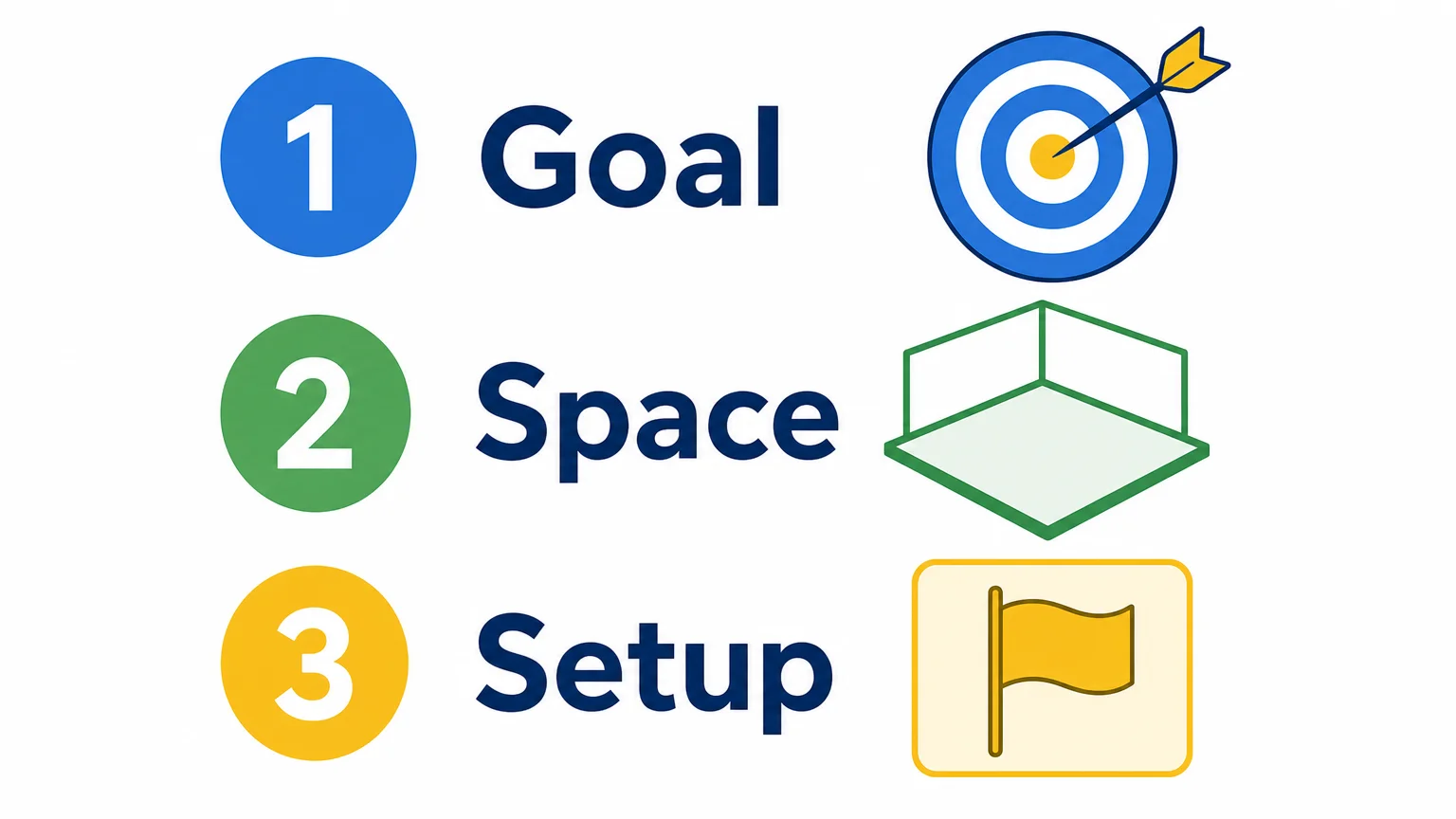
- Name the goal. Decide whether students will practise movement, teamwork, country names, or flag recognition.
- Choose the format. Match a gym or outdoor area with active play, and use cards or a browser activity where space is limited.
- Set simple rules. Explain boundaries, turns, how to answer, and what students should do after a guess or tag.
- Close with a question. Ask students what clue helped them or what they would change next round.
For screen activities, test the site on the school network before class and check whether students will share one screen or use individual devices. If the network blocks a page, printed flag cards or a teacher led guessing round can keep the lesson moving. Our flag lessons for students offer more ways to connect flag practice with learning goals.
How can you adapt the game to your students?
Start with what students should learn or practise, then adjust the challenge rather than expecting everyone to play the same way. For younger students, use fewer flag choices, familiar examples, and clear visual cues. For older groups, add a map, a country clue, or a discussion of how flags represent places and identities.
Participation can take different forms. In a movement game, students might play, observe, keep time, or explain a team’s strategy. In a digital game, pairs can take turns making guesses and explaining the evidence behind them.
For U.S. PE planning, SHAPE America’s article introducing the 2024 PE standards can serve as a reference. If you teach elsewhere, check the curriculum and accessibility guidance used in your own school or region.
What should you check before class starts?
A quick check can prevent most avoidable interruptions. For active play, walk the space, mark boundaries, check belts and flags, explain the stop signal, and plan a lower movement option. For a digital round, test the display, sound settings, connection, and how students will take turns.
Also consider how students will respond if they do not know an answer. Let them talk through a clue, confer with a partner, or use a map before revealing the solution. Keeping the focus on reasoning makes a missed guess a useful part of the activity rather than a dead end.
Use rules and examples that fit your students’ ages and cultural context. Country names and flag designs can require explanation, so allow time for questions and avoid treating a flag as a complete description of a country or its people.
Choose a game that fits the lesson
The most useful classroom flag games match your learning goal and the space you have. Choose a physical game when movement and teamwork are the focus, or a flag quiz when students are practising country recognition. Keep the rules accessible, the round short, and the follow up question clear.
Make geography a short classroom routine
If you want a quick digital option alongside physical games and printed activities, a browser based flag challenge can give students a focused way to practise country recognition. It can fit a warm up or a short end of class routine.

Our free geography game runs in a responsive browser, requires no account, and includes flag practice across 195 UN recognised countries. Students can use the Flags mode, try other geography challenges, and practise in English or French. Try our free browser geography game when a short screen based activity fits your lesson.
Frequently Asked Questions
What is a flag game for the classroom?
It can be a physical activity using flags as tags, or a learning game where students identify country flags. Choose the type that fits your space and lesson goal.
Can you play flag games without equipment?
Yes. Use a projected flag, printed cards, or a teacher led guessing round for country recognition. For movement games, use only alternatives allowed by your school and set clear boundaries.
How do you make a flag quiz collaborative?
Let pairs or small groups discuss a flag before submitting one answer. Ask students to explain the clue they used, then invite other groups to compare their reasoning.
Are digital flag games suitable for a short warm up?
They can be, especially when the class shares a screen and the rules are simple. Test the site and school network in advance, and have a no screen alternative ready.
How can students practise more flags after a daily challenge?
Our Flags mode includes replay practice with random flags after the daily puzzle. Students can use it for extra country recognition practice when a browser activity suits the lesson.