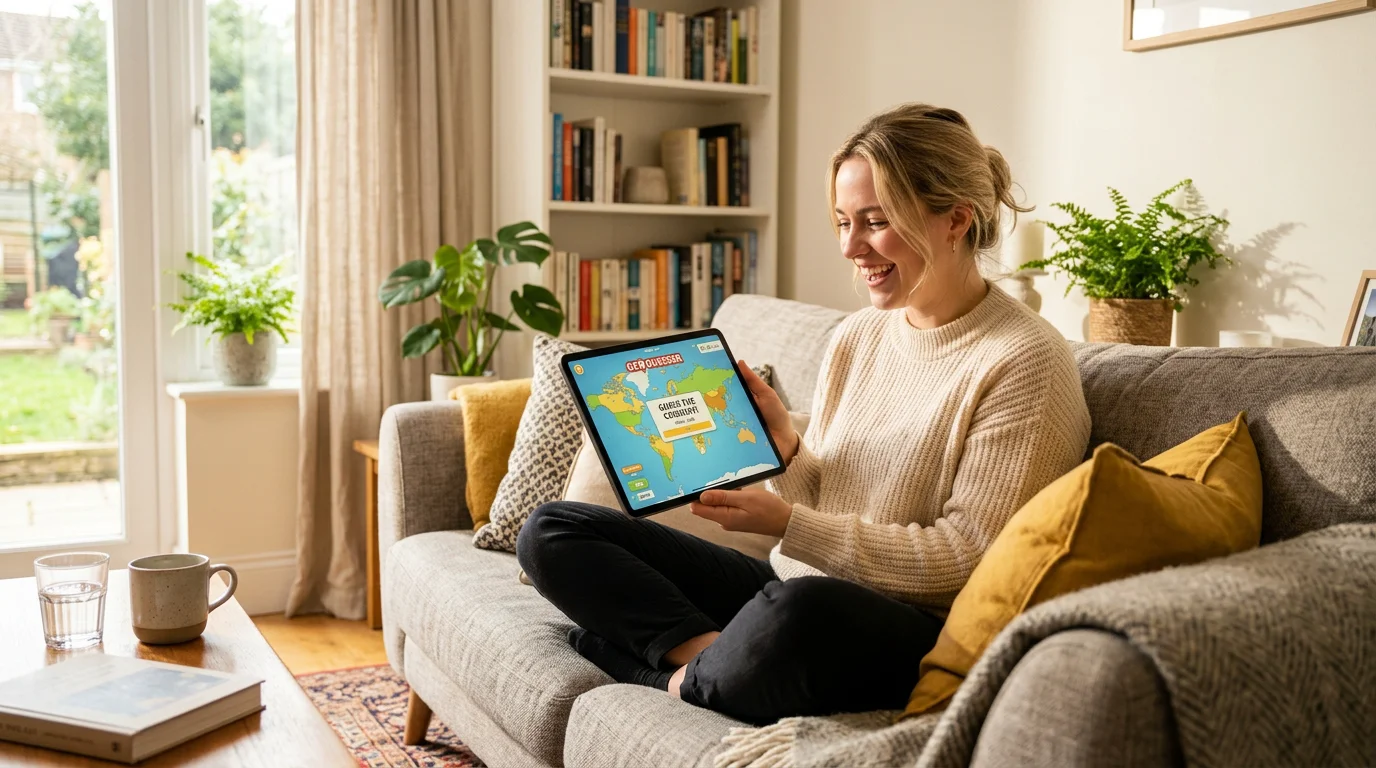
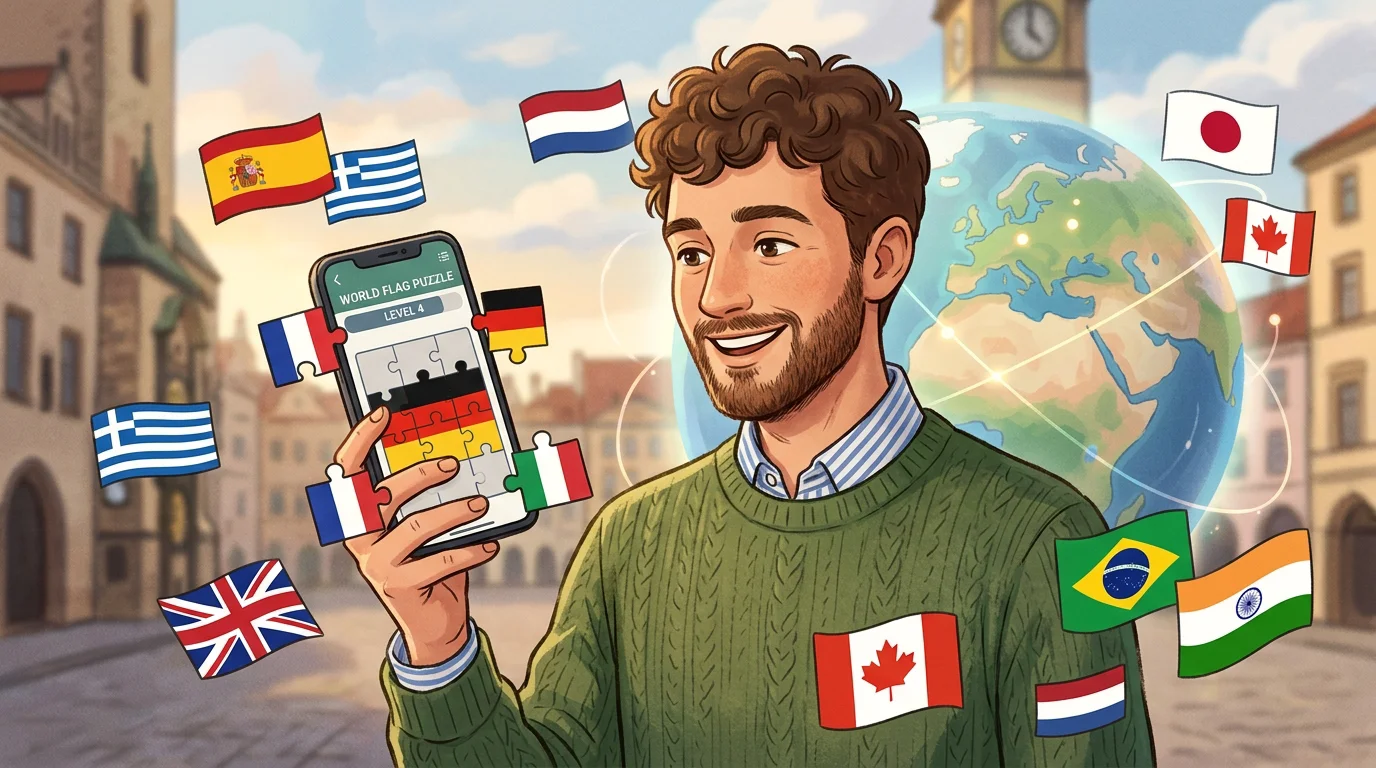

Less than a quarter of American students were rated proficient in geography, yet a five-minute puzzle can genuinely move the needle. That gap is exactly why country games have exploded in popularity: they make a subject that used to feel like textbook drudgery feel like a daily win. If you want a structured way in, here's how to play the guess the country game without wasting a single minute.
The idea is simple. You spot a flag, an outline or a capital, and your brain scrambles to name the nation before the timer runs out. That tiny bit of pressure is what makes it stick. A National Geographic survey found that many young Americans couldn't locate basic countries on a map, so a playful nudge each day matters more than you'd think.
What exactly are country games?
If you've ever typed games country into a search bar, you were probably looking for one thing: a fun way to test whether you actually know your world map. These geography games come in a few flavors. Some show you a flag and ask for the nation. Others hand you an outline, a silhouette or a set of clues like continent, population and language.
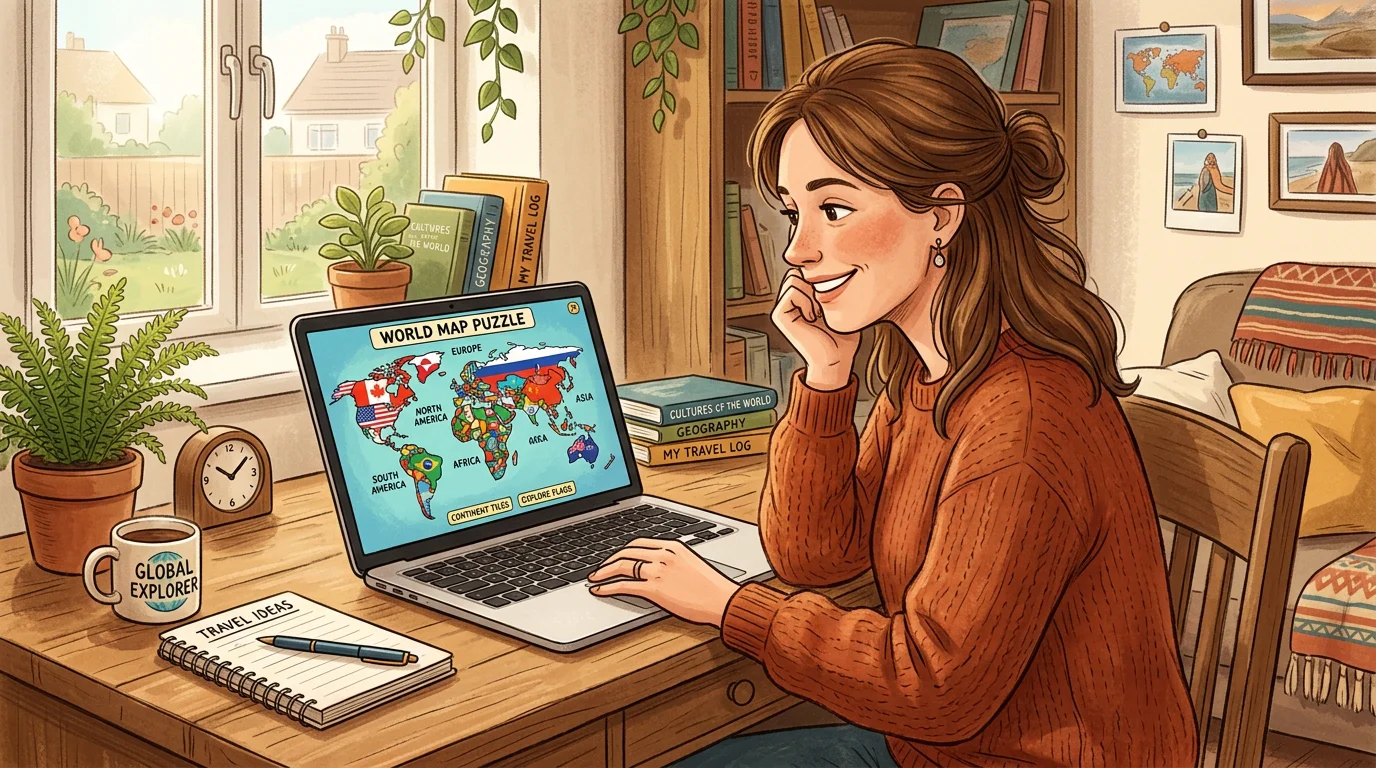
The format matters less than the mechanic. A good country game forces you to produce an answer instead of passively recognizing one. That's the whole trick. If you want a gentle on-ramp, our country geography game for learning flags and capitals keeps the daily challenge short and repeatable.
Why they actually help you remember
Here's the science-y bit, made simple. When a flag pops up and you have to name the nation, you're using active recall, which builds far stronger memory than rereading a list. According to recent learning coverage, the game mechanic does the pedagogical heavy lifting for you, no flashcards required.
Time pressure adds a second layer. When the clock is ticking, your brain shifts from lazy recognition to rapid recall. That productive little jolt of stress strengthens the neural pathways you're trying to build. It's the same reason timed math drills work, even if they feel slightly annoying in the moment.
The daily habit is the secret weapon
One puzzle won't make you a geography expert. Thirty of them, spaced across a month, absolutely will. The magic of a daily country quiz is that it's short enough to never feel like homework, so you keep coming back.
There's also a social hook. When everyone worldwide gets the same puzzle on the same day, you naturally compare scores with friends. That shared experience is why our world guessing games to sharpen your skills lean on one identical daily flag for all players, plus daily, weekly and monthly leaderboards.
How country games stack up by mode
Not every game does the same job. Some are pure flag drills, others are sprawling map quizzes, and a few blend several modes into one bite-sized routine. Here's a quick comparison of common approaches.
| Option | Core mechanic | Best for | Cost |
|---|---|---|---|
| Flagdle (ours) | Daily masked flag in 3 tries, plus capitals, clues, silhouette and daily challenge | Building a fast daily habit across 195 UN nations | Free, no account |
| Large map-quiz sites | Hundreds of customizable location quizzes | Deep classroom drilling | Free |
| App-store trivia games | Photo, city and cuisine quizzes with tournaments | Casual mixed trivia | Free with ads |
The right pick depends on your goal. If you want breadth for a class, a big quiz library helps. If you want a habit that actually sticks, a single daily puzzle you finish in minutes usually wins.
Who gets the most out of them
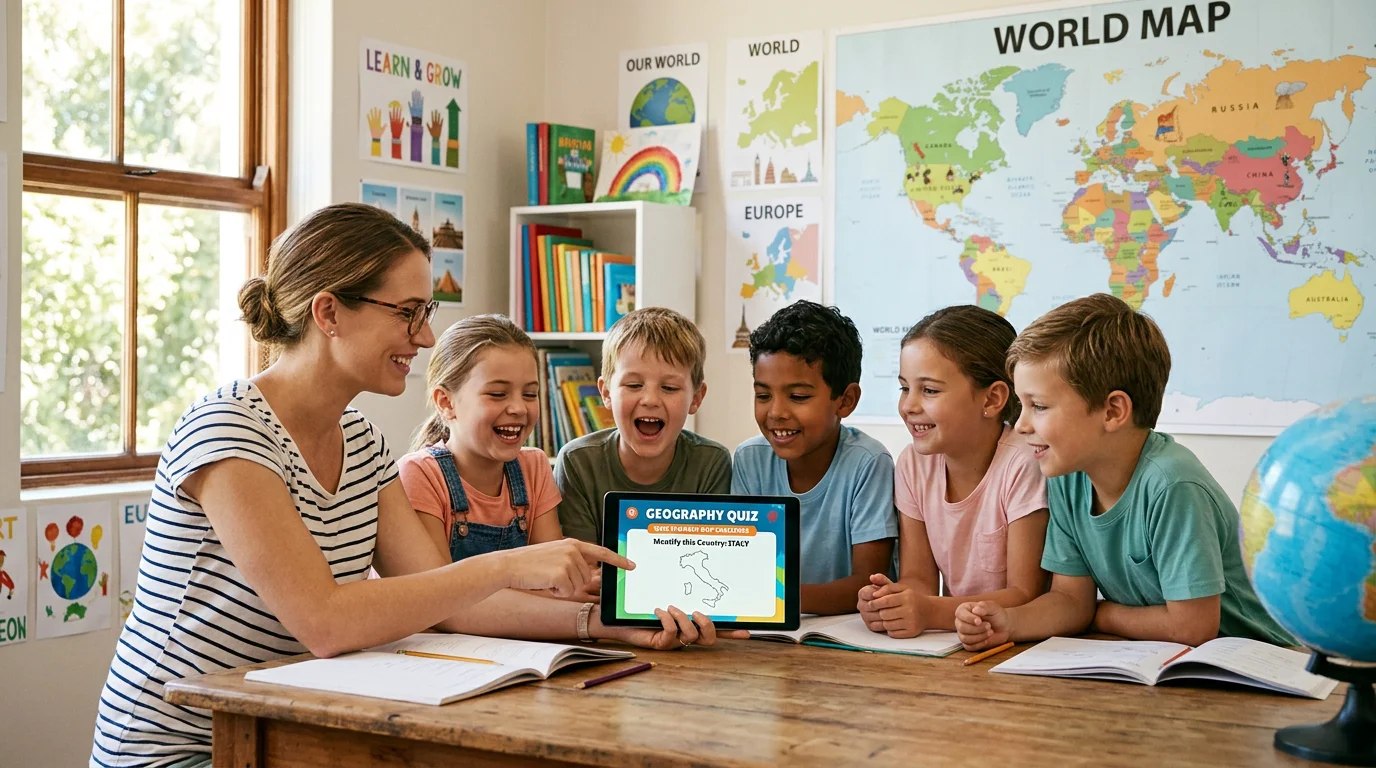
Students revising for exams get spaced, low-stakes practice. Teachers get a five-minute classroom ritual that warms up the room. Travelers get to recognize the flags and capitals of places they're about to visit.
The market backs this up. Game-based learning research estimates the sector reached about USD 21.1 billion in 2025 and is projected near USD 26.3 billion in 2026, with 88% of teachers reporting higher engagement when they use digital games. Curious learners just want to finally know all 195 nations, and a daily puzzle is a painless way to get there.
Getting the most from your practice
A few small tweaks make a big difference. Play at the same time each day so it becomes automatic. Don't just guess; when you miss one, pause and note the flag detail that gave it away.
Mix your modes, too. Alternating flags, capitals and outlines stops you from memorizing positions instead of facts. If you'd like a broader menu, our guide to the best way to learn geography with countries games online walks through combining several formats without burning out.
The National Geographic Education team has long promoted hands-on, interactive activities over rote memorization, and country games fit that philosophy neatly. Keep the sessions short, keep them frequent, and let curiosity pull you forward.
The takeaway on playing your way smarter
Learning the world map doesn't require a textbook or a spare hour. It requires a small, repeatable habit, and that's precisely what country games deliver. By pairing active recall with a little time pressure and a daily rhythm, you turn scattered facts into lasting knowledge almost without noticing. Pick one format, play it daily, review your misses, and within a month you'll surprise yourself with how many flags, capitals and outlines you can name on sight.
Take action with Flagdle
Ready to swap passive scrolling for a habit that actually teaches you something? If you want the world map in your head by next month, the fastest route is a puzzle you'll genuinely look forward to opening each morning.
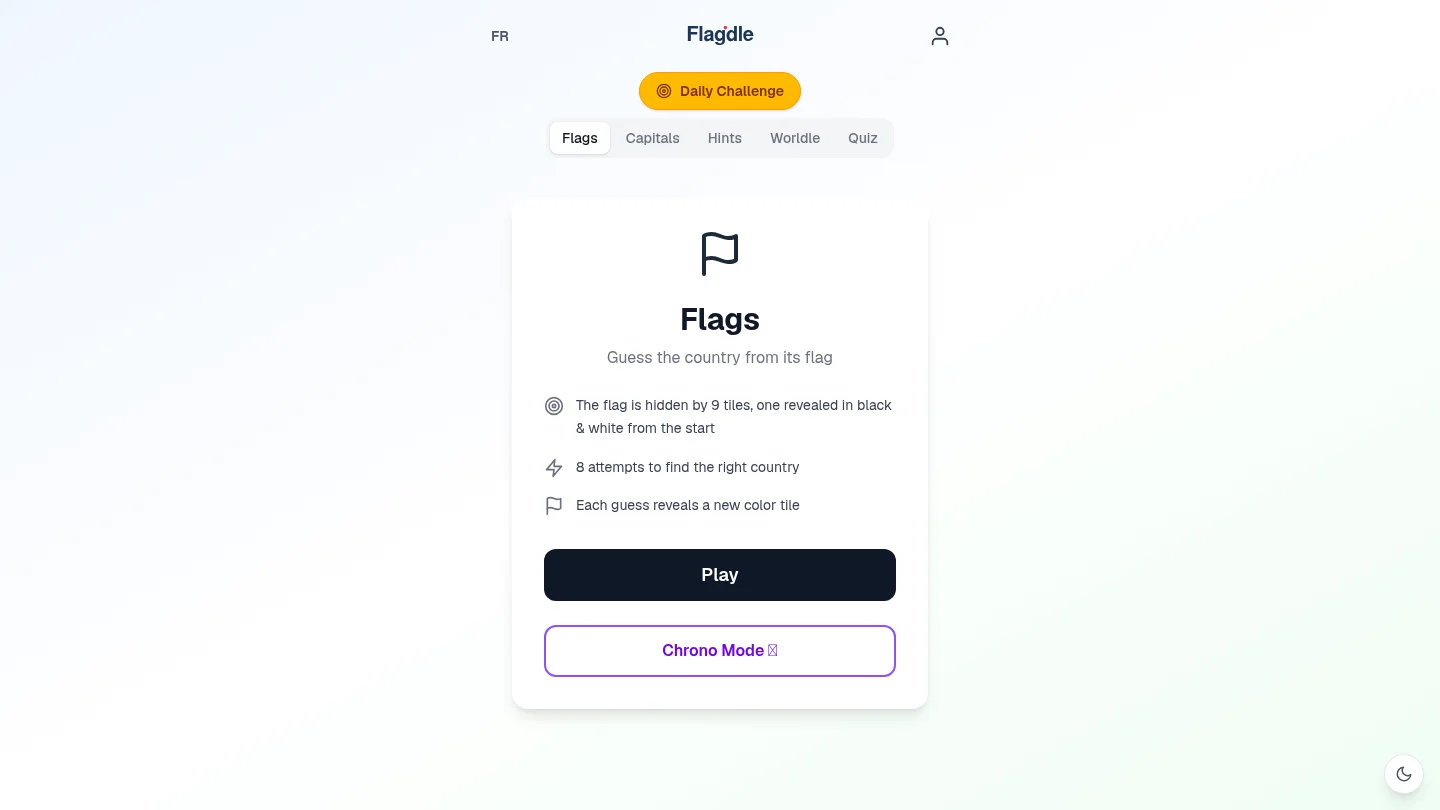
Try our free daily flag game covering all 195 UN countries, where one masked flag is the same for everyone worldwide and you get three tries to crack it. There's no account, no intrusive ads, plus extra modes for capitals, progressive clues, silhouettes and a six-game daily challenge feeding daily, weekly and monthly leaderboards.
Frequently Asked Questions
Are country games free to play?
Many of the best ones are completely free and run right in your browser. Our daily flag game, for example, is free with no account and no intrusive ads, and it stores your stats locally on your device.
Do country games really help you learn geography?
Yes, because they rely on active recall, which builds stronger memory than simply reading facts. The daily repetition and light time pressure reinforce what you learn, so knowledge sticks far better than cramming.
How long does it take to see progress?
Most people notice real improvement within a few weeks of daily play. The trick is consistency: a short puzzle every day beats one long session once a week by a wide margin.
Which country game is best for classrooms?
Teachers usually want something short, shared and repeatable as a warm-up ritual. A single daily puzzle that's identical for everyone works well because students can compare scores and discuss the same nation together.
Can I play country games without downloading an app?
Absolutely. Plenty of country games are browser-based and work instantly on any device without installation. That removes the sign-up friction and lets you jump straight into playing.